Asteroid 2026 JH2 Is Flying Past Earth Today — Here's What You Need to Know
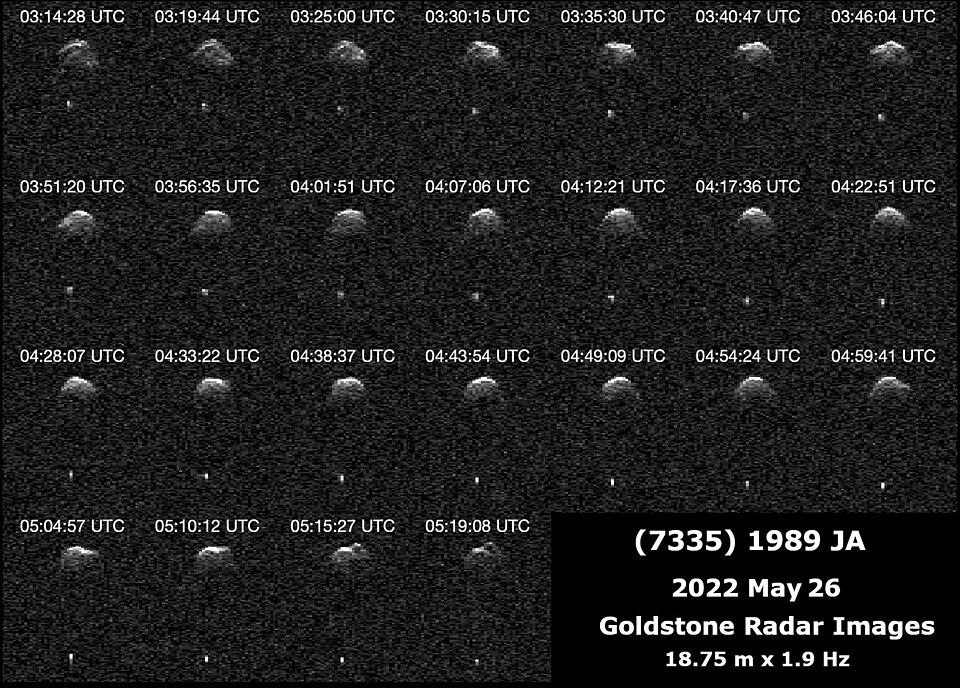
Asteroid 2026 JH2 is making its closest approach to Earth today, May 18, at 21:23 UTC, passing just 90,000 km away — less than a quarter of the distance to the Moon. The rock is 16–35 meters across, roughly the size of the Chelyabinsk meteor, but NASA has confirmed zero impact risk. You cannot see it without a telescope, but the Virtual Telescope Project is livestreaming the flyby.
How Close Is "Dangerously Close" in Space?
Let me put this in perspective because the numbers alone don't capture how wild this is. The Moon orbits at about 385,000 km from Earth. Asteroid 2026 JH2 is passing at 90,000 km. That's like someone throwing a baseball and it grazing past your ear instead of hitting the backstop behind you. In cosmic terms, this is a near-miss that would make an insurance adjuster nervous.
I've been following near-Earth objects for about eight years now, ever since the 2018 "surprise" asteroid that snuck past our detection systems entirely. That one had me hooked — the idea that a city-killing rock could just waltz through our neighborhood unannounced was equal parts terrifying and fascinating. 2026 JH2 is different because we actually caught it. The Mt. Lemmon Survey in Arizona spotted it on May 10, giving us a full eight days of warning. That's not great, but it's something.
Here's the thing that genuinely bothers me: eight days. We had eight days of notice for an object that, if it were on a collision course, could have caused Chelyabinsk-level damage to a populated area. The 2013 Chelyabinsk meteor — about 20 meters across, well within the size range of JH2 — injured over 1,500 people and damaged thousands of buildings. We got zero warning for that one.
What Exactly Is Asteroid 2026 JH2?
| Property | Value |
|---|---|
| Discovery Date | May 10, 2026 |
| Discovered By | Mt. Lemmon Survey, Arizona |
| Estimated Size | 16–35 meters |
| Closest Approach | May 18, 2026, 21:23 UTC |
| Distance at Closest | ~90,000 km (0.23 lunar distances) |
| Apparent Magnitude | +11.5 |
| Impact Risk | Zero |
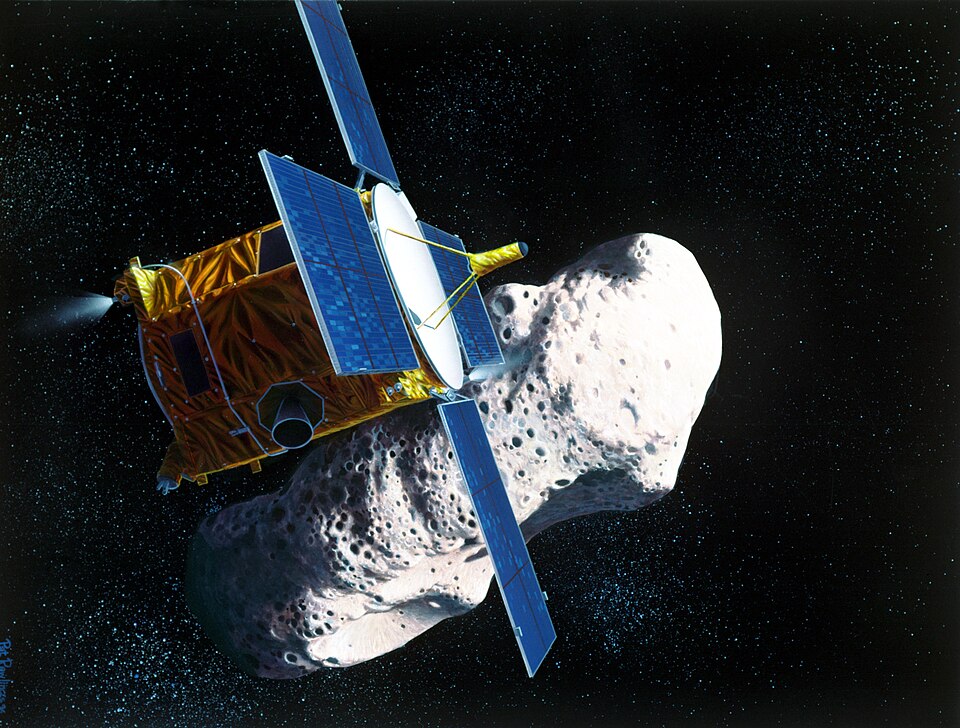
The size estimate of 16–35 meters is a wide range, and that's because we're inferring size from brightness. We don't have a direct measurement of this thing. It could be a dark, charcoal-colored rock on the large end, or a bright, reflective object on the small end. Either way, it's roughly the size of a large house or a small apartment building — not a dinosaur-killer by any stretch, but absolutely capable of causing localized destruction.
At magnitude +11.5, you'd need at least a 6-inch aperture telescope and dark skies to spot it. For most of us, that means watching the Virtual Telescope Project's free livestream, which I highly recommend. Watching an asteroid silently drift against the star field is one of those experiences that makes you feel both incredibly small and weirdly grateful to be on this particular rock at this particular moment.
Why Should You Care About Planetary Defense?
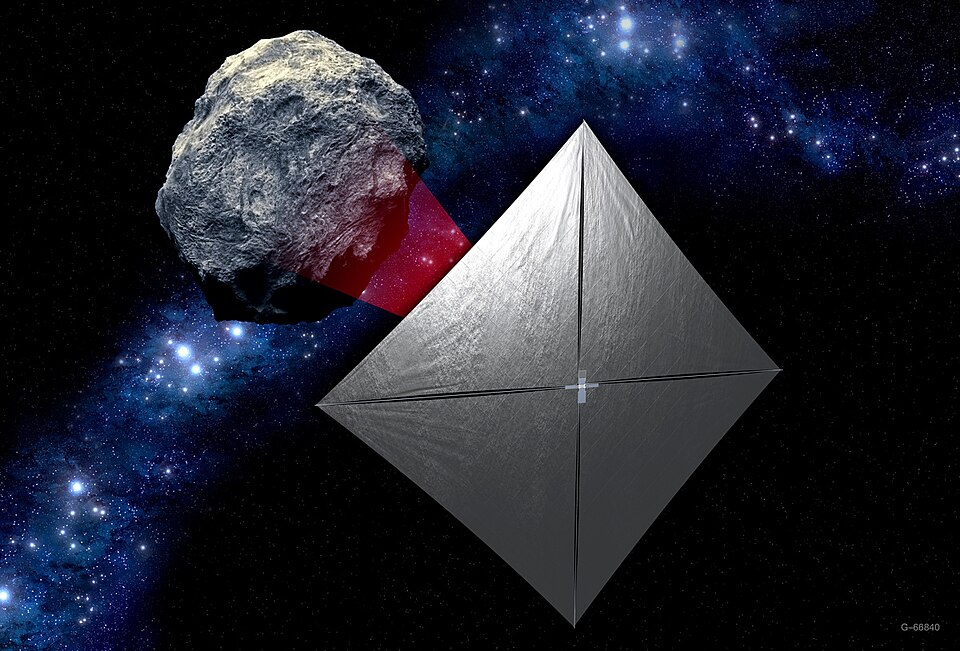
This flyby is a perfect reminder of why planetary defense matters and why we're still not investing enough in it. NASA's DART mission proved in 2022 that we can deflect an asteroid — that was a massive win for humanity. But deflection only works if you see the threat coming with months or years of lead time, not eight days.
The current detection infrastructure catches most of the large asteroids (140+ meters) but misses a staggering percentage of smaller ones in the 10–50 meter range. These are the ones that sneak up on us. The Chelyabinsk meteor arrived from the direction of the Sun, making it invisible to our ground-based telescopes. NASA's upcoming NEO Surveyor space telescope, slated for the late 2020s, should dramatically improve coverage — but "should" and "will" are different words, and budgets are tight.
I'll be honest — I find it both incredible and slightly absurd that we live in an era where we can track a 20-meter rock hurtling through space at tens of thousands of kilometers per hour, livestream its passage, and collectively shrug because it misses by 90,000 km. A hundred years ago, we wouldn't have known it existed. A hundred years from now, hopefully we'll spot them years in advance and have the tools to do something about the ones that don't miss.
What Does This Mean for Future Close Approaches?
Asteroid 2026 JH2 isn't the last space rock that will give Earth a close shave. The near-Earth object catalog grows every month, and close approaches happen more often than most people realize. What makes JH2 notable is the combination of proximity (closer than the Moon), size (Chelyabinsk-class), and the short detection window.
I've spent the last week reading everything I could find about this object, and what strikes me most is how calm the scientific community is about it. There's no panic, no breathless headlines from NASA — just data, trajectory plots, and a quiet confidence that this one isn't a threat. That calm is earned. It comes from decades of building detection systems, refining orbital models, and accumulating enough close encounters to know what a real threat looks like versus a spectacular but harmless fly-by.
If you're interested in other stories about what's happening in science and pop culture right now, check out Stephen Colbert's Late Show finale happening this week — a very different kind of farewell. Or read about Tristan Williams' incredible seven-game Jeopardy streak for something a little more down to Earth.
Frequently Asked Questions
How close will Asteroid 2026 JH2 get to Earth?
Asteroid 2026 JH2 will pass at approximately 90,000 km from Earth — roughly one-quarter the distance to the Moon (385,000 km). This is extremely close in astronomical terms but poses zero impact risk.
What time does Asteroid 2026 JH2 pass Earth?
The closest approach occurs on May 18, 2026 at 21:23 UTC (5:23 PM Eastern, 2:23 PM Pacific).
Can I see Asteroid 2026 JH2 with the naked eye?
No. Asteroid 2026 JH2 has an apparent magnitude of +11.5, which is far too faint for the naked eye. You would need at least a 6-inch telescope. The Virtual Telescope Project is offering a free livestream of the flyby.
How big is Asteroid 2026 JH2?
Asteroid 2026 JH2 is estimated to be 16–35 meters in diameter. For comparison, the 2013 Chelyabinsk meteor that exploded over Russia was about 20 meters across.
Will Asteroid 2026 JH2 hit Earth?
No. NASA and ESA have confirmed that Asteroid 2026 JH2 has absolutely zero impact risk. Its trajectory is well-mapped and it will safely pass by our planet.