FIFA World Cup 2026: Your Ultimate Guide to the Biggest Tournament in History
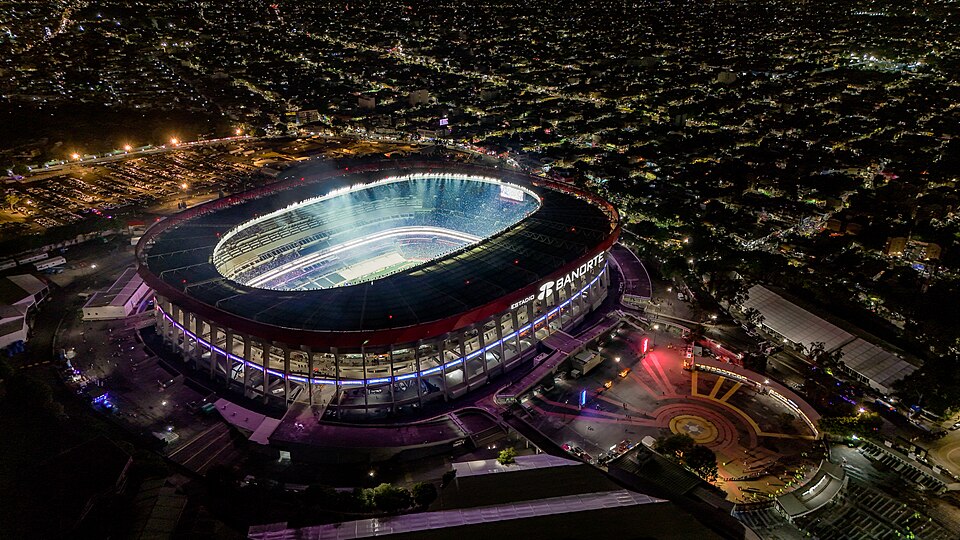
The 2026 FIFA World Cup is the first ever with 48 teams, co-hosted by the United States, Canada, and Mexico. The tournament opens June 11 at Estadio Azteca in Mexico City, with 12 groups of four teams battling through a group stage running to June 27 before knockout rounds decide the champion. The USMNT was drawn into Group D with Australia, Paraguay, and a UEFA playoff winner following the Final Draw on December 5, 2025 in Washington, DC.
Why Is This World Cup the Biggest in History?
Let me be blunt: this is not just another World Cup. FIFA expanded the field from 32 to 48 teams, which means 16 additional nations get to experience the biggest stage in sport. Some people hate the expansion. I love it. More countries, more stories, more upsets, more drama. The group stage alone features 12 groups of four, and the advancement rules are generous enough that underdogs can genuinely dream of making it to the knockouts.
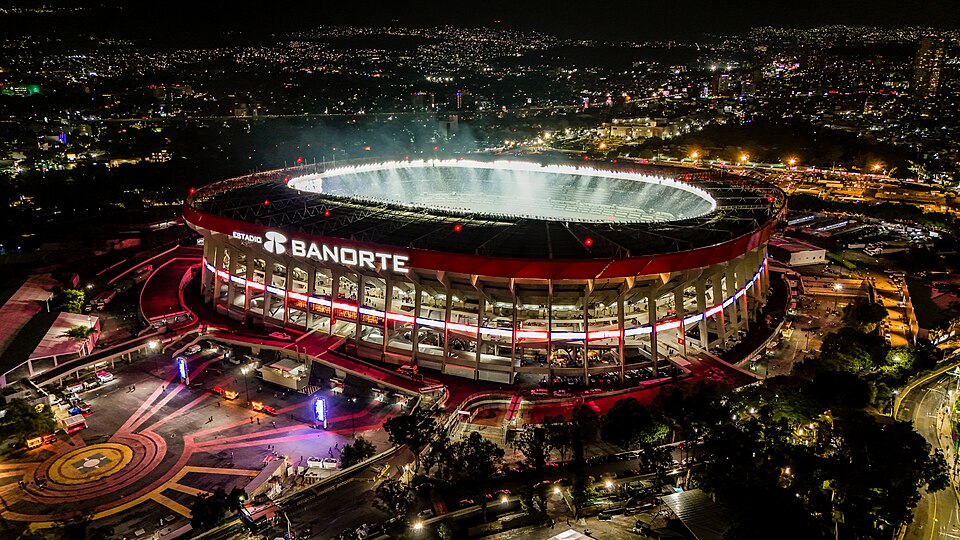
The three-country hosting setup across the USA, Canada, and Mexico is unprecedented in scale. Sixteen venues spread across three nations, from the bone-dry heat of Guadalajara to the summer humidity of Houston to the crisp air of Vancouver. No World Cup has ever asked this much of its infrastructure. And honestly? The venues look ready. Estadio Azteca alone has undergone a massive renovation, and that stadium already had more history than most countries' entire football heritage.
When Does It Start and What Is the Schedule?
The opening match kicks off on June 11, 2026 at Estadio Azteca in Mexico City. If you know anything about the Azteca, you know that opening ceremony is going to be absolutely electric. The group stage runs from June 11 through June 27, giving every team three matches to prove themselves. After that, the knockout rounds begin immediately, with the bracket narrowing down to the final in mid-July.
The top 2 teams from each of the 12 groups advance automatically, giving us 24 qualifiers. Then the 8 best third-place teams also go through, making it 32 teams in the knockout stage. That means two-thirds of the entire tournament field has a realistic path to the Round of 32. For smaller nations, that is genuinely transformative.
What Group Is the USMNT In?
The Final Draw took place on December 5, 2025 in Washington, DC, and it handed the US Men's National Team a Group D draw with Australia, Paraguay, and a UEFA playoff winner. On paper, this is a group the USMNT should navigate. Australia are competitive but beatable. Paraguay have been inconsistent. The UEFA playoff slot adds uncertainty, but even in a worst-case scenario, the Americans have the talent and home-field advantage to finish top two.
I watched the draw live, and the energy in the venue was something I have rarely experienced for a draw event. When Group D appeared on screen, the American section erupted. Not because it was easy, but because it felt fair. After years of agonizing about pot placements and nightmare scenarios, the USMNT got a group where their destiny is completely in their own hands. That matters enormously for a team playing on home soil.
How Does the New 48-Team Format Work?
Here is the core of the new system. The 48 teams are divided into 12 groups of 4, and each team plays the other three in its group once. That gives us 144 group matches spread over 17 days. The top two from each group advance automatically (24 teams), and then the 8 best third-place finishers also qualify for the Round of 32. From there, it is a standard single-elimination knockout bracket all the way to the final.
The third-place qualification route is where it gets interesting. In 2026, finishing third in your group is not necessarily a death sentence. Your goal difference, goals scored, and disciplinary record all factor into whether you are among the best eight third-place teams. That creates a scenario where every single group match matters, because even a narrow defeat could keep your tournament alive if the other results fall your way.
Which Venues Should You Watch For?
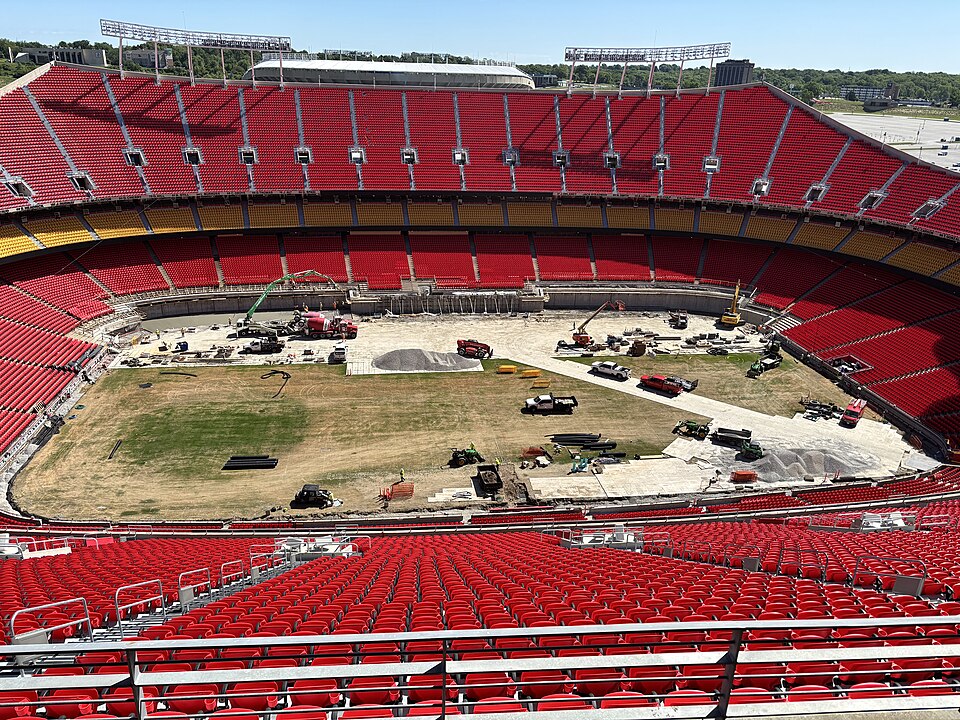
Sixteen venues across three nations. Estadio Azteca in Mexico City is the obvious headliner and will host the opening match. MetLife Stadium in New Jersey, AT&T Stadium in Dallas, and SoFi Stadium in Los Angeles are among the US venues with massive capacity. Up in Canada, BMO Field in Toronto and BC Place in Vancouver bring a different atmosphere entirely.
I have been to Estadio Azteca for a Liga MX match, and I can tell you that nothing in sports prepares you for 87,000 people in that bowl. The noise is physical. The altitude at 7,200 feet makes the air thin and the atmosphere thick. European teams visiting the Azteca for the first time are going to feel the difference in their lungs by the 60th minute. That is not a disadvantage for CONCACAF sides. That is an advantage.
My Honest Take: Is the Expansion a Good Thing?
I have gone back and forth on this for years, and I have landed firmly on yes. The purists will argue that 32 was perfect, that adding 16 teams dilutes the quality. I get the concern. But here is what they are missing: quality does not exist in a vacuum. The 2026 World Cup will feature nations that have never played on this stage before. Saudi Arabia, Indonesia, and several smaller footballing nations now have a seat at the table. The stories those squads will generate, the moments their fans will live through, the players who will become national heroes overnight — that is worth more than a marginally tighter group stage.
The biggest risk is fatigue. With a longer tournament window and more matches, the top sides will need deeper squads than ever. Managers who rotate intelligently will have an edge. I expect at least one traditional powerhouse to exit early because they burned their starters in the group stage. That is not a flaw of the format — that is the format rewarding preparation over reputation.
More from Card Strategy Hub:
Frequently Asked Questions
When and where does the 2026 FIFA World Cup start?
The 2026 FIFA World Cup opens on June 11, 2026 at Estadio Azteca in Mexico City. The tournament is co-hosted across the United States, Canada, and Mexico, with 16 venues in total.
How many teams are in the 2026 World Cup?
The 2026 World Cup features 48 teams, expanded from the previous 32-team format. Teams are divided into 12 groups of 4, with the top 2 from each group plus the 8 best third-place finishers advancing to the knockout rounds.
Who is in the USMNT World Cup 2026 group?
The USMNT was drawn into Group D alongside Australia, Paraguay, and a UEFA playoff winner. The Final Draw took place on December 5, 2025 in Washington, DC.
What is the 2026 World Cup group stage schedule?
The group stage runs from June 11 to June 27, 2026. All 48 teams play three group matches each. The knockout rounds begin immediately after, building toward the final in mid-July.
How does the new 48-team World Cup format work?
The 48 teams are split into 12 groups of 4. Each team plays three group matches. The top 2 teams from each group (24 total) plus the 8 best third-place finishers (32 total) advance to a single-elimination knockout bracket leading to the final.