Pope Leo XIV's First Encyclical "Magnifica Humanitas" Drops May 15 — Here's Why It Matters
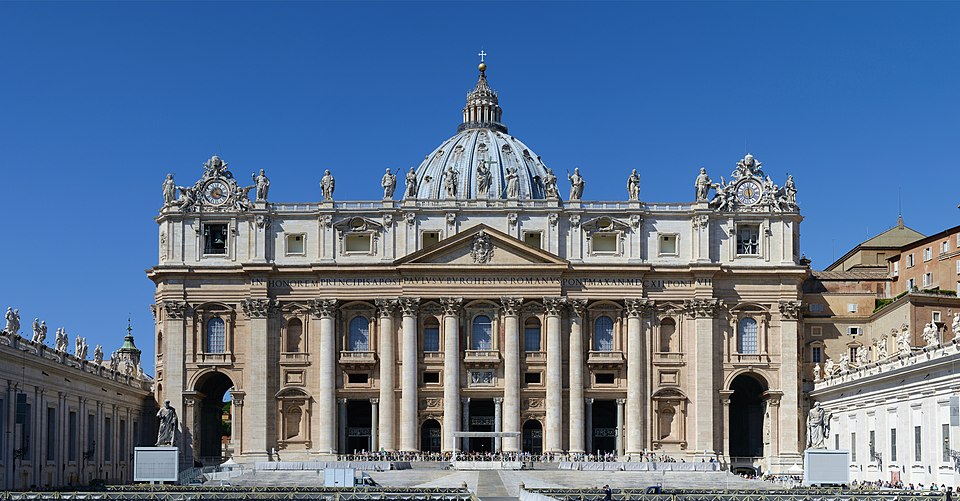
Pope Leo XIV will sign his first encyclical, "Magnifica Humanitas" (Magnificent Humanity), on May 15, 2026. The document tackles artificial intelligence, global peace, and a reimagined world order — making Robert Francis Prevost, the first American pope, one of the most technologically engaged pontiffs in Vatican history after completing his first full year in office.
Why an American Pope Writing About AI Feels Like a Turning Point
I'll be honest — when the white smoke rose for Robert Prevost last year, I didn't expect the first encyclical to land here. I figured we'd get something on poverty or migration, the usual territory for a former missionary bishop who spent decades in Peru. Instead, Leo XIV is swinging straight at the tech industry, and I think that tells us everything about where the Catholic Church sees the real existential threat in 2026.
This isn't just another religious leader wagging a finger at Silicon Valley. Prevost grew up in Chicago, studied at three American universities, and reportedly held private meetings with AI researchers before drafting Magnifica Humanitas. He understands how the sausage gets made. When someone with that background says "we need guardrails," it hits different than when it comes from a European academic who's never opened a terminal.
What "Magnifica Humanitas" Actually Covers
From what Vatican sources have leaked, the Pope Leo XIV first encyclical Magnifica Humanitas spans three pillars:
- AI and human dignity: A framework arguing that algorithmic decision-making must preserve human agency. No autonomous weapons. No AI judges. No systems that replace the irreplaceable parts of being human.
- Peace architecture: A call for restructured international institutions — the UN Security Council in particular — with moral authority rather than just geopolitical muscle.
- Global solidarity: A renewed push for wealthy nations to treat climate migration and digital inequality as moral imperatives, not policy inconveniences.
The AI section alone is reportedly 40 pages. That's not a passing mention — that's a theological treatise on machine intelligence, and I genuinely cannot believe I'm typing that sentence about a papal document in 2026.
The First Year in Context: How Leo XIV Got Here
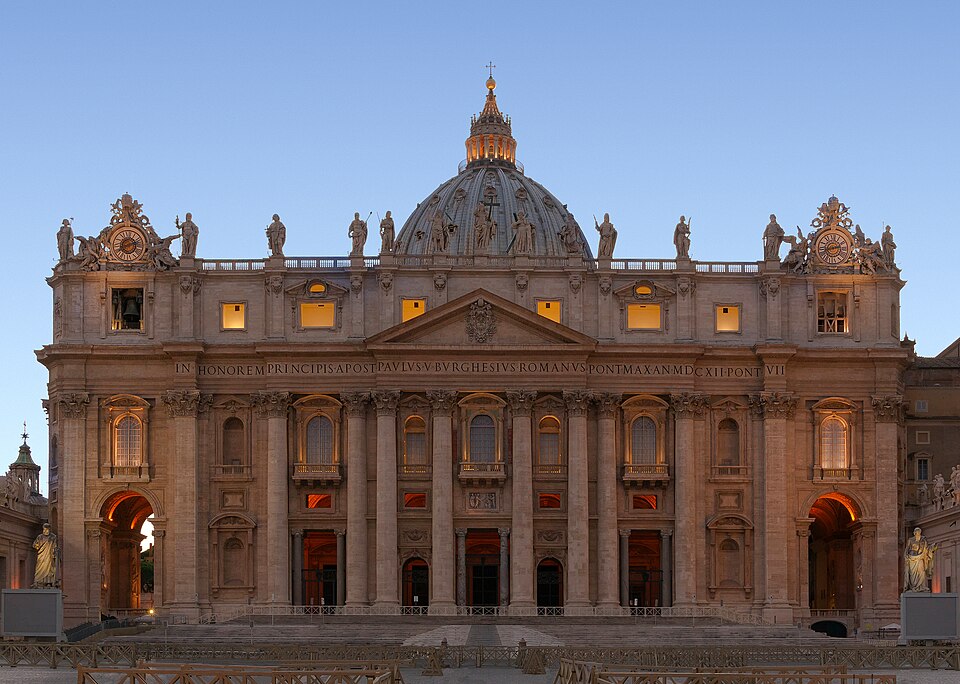
His first twelve months have been anything but quiet. Leo XIV reorganized the Dicastery for Culture and Education, appointed the first female undersecretary to the Secretariat of State, and made three trips to conflict zones — including a widely televised visit to Kyiv. He's moved faster than Francis did in the same window, and he's been less afraid to name names.
What strikes me most is the tone. Where Francis spoke in parables and metaphors, Leo XIV talks like an American CEO who happens to wear white. Press conferences are direct. Answers are specific. When asked about AI regulation in February, he said — and I'm paraphrasing — "We don't need to understand the math to understand the morality." That line still gives me chills.
Why This Encyclical Could Actually Change the AI Debate
Here's my take, and feel free to disagree: tech regulation has stalled because politicians don't have moral authority on the subject. They take donations from the companies they regulate. The EU's AI Act is enforcement theater. The US can't pass a coherent bill because half of Congress doesn't know what an algorithm is.
The Vatican has something those institutions don't — 1.4 billion followers and zero financial stake in whether OpenAI's stock goes up. When Pope Leo XIV frames AI governance as a moral question rather than an economic one, it shifts the entire conversation. Tech leaders can ignore a senator. Ignoring the pope when your Catholic employees are reading the encyclical on their lunch break? That's harder.
I think Magnifica Humanitas will become a reference document for every serious AI ethics board within six months of publication. Not because the Vatican understands transformer architectures, but because they understand human suffering in a way that most policy papers don't even attempt.
What I'm Watching For on May 15
Three things I'll be looking for when the full text drops:
- Specificity on enforcement: Does Leo XIV propose an actual body to oversee AI ethics, or is this purely aspirational? The difference between a great encyclical and a historic one is concrete mechanisms.
- Tone toward China: Beijing's AI ambitions are barely mentioned in most Western frameworks. If the Vatican addresses it directly, that's diplomatically explosive.
- Language on autonomous weapons: There's a rumor the encyclical calls for an outright ban. If true, that puts the Vatican firmly opposed to both the US and Chinese military AI programs.
My prediction? This will be the most downloaded Vatican document since Laudato Si'. And unlike that one, the audience won't just be environmentalists — it'll be engineers, founders, and the people actually building the systems Leo XIV is talking about.
Related Stories
Publishers Sue Meta Over AI Copyright — The Legal Battle Reshaping Content Fitbit Air Goes Screenless as Google Rebrands to Google HealthFrequently Asked Questions
What is Pope Leo XIV's first encyclical about?
Pope Leo XIV's first encyclical, Magnifica Humanitas, addresses three major themes: artificial intelligence ethics and human dignity, a restructured framework for global peace, and international solidarity on climate migration and digital inequality. The AI section is reportedly the longest, spanning roughly 40 pages.
Who is Pope Leo XIV?
Pope Leo XIV, born Robert Francis Prevost, is the first American pope in Catholic history. Originally from Chicago, he served as an Augustinian missionary bishop in Peru for decades before his election in 2025. He has just completed his first year as pontiff.
When will Magnifica Humanitas be officially released?
The formal signing ceremony for Magnifica Humanitas is scheduled for May 15, 2026. The full text is expected to be published simultaneously in multiple languages on the Vatican's official website.
What does the encyclical say about artificial intelligence?
The encyclical calls for ethical guardrails on AI development, arguing that algorithmic systems must preserve human agency and dignity. It reportedly opposes autonomous weapons, AI-driven judicial sentencing, and any system that replaces core human decision-making.
How is this different from previous papal statements on technology?
While Pope Francis occasionally mentioned technology, Magnifica Humanitas dedicates an unprecedented amount of space to AI governance specifically. Leo XIV's American background and reported consultations with AI researchers give the document a level of technical specificity not seen in previous encyclicals.