Samsung Overtakes Apple in Customer Satisfaction for the First Time — Here's Why
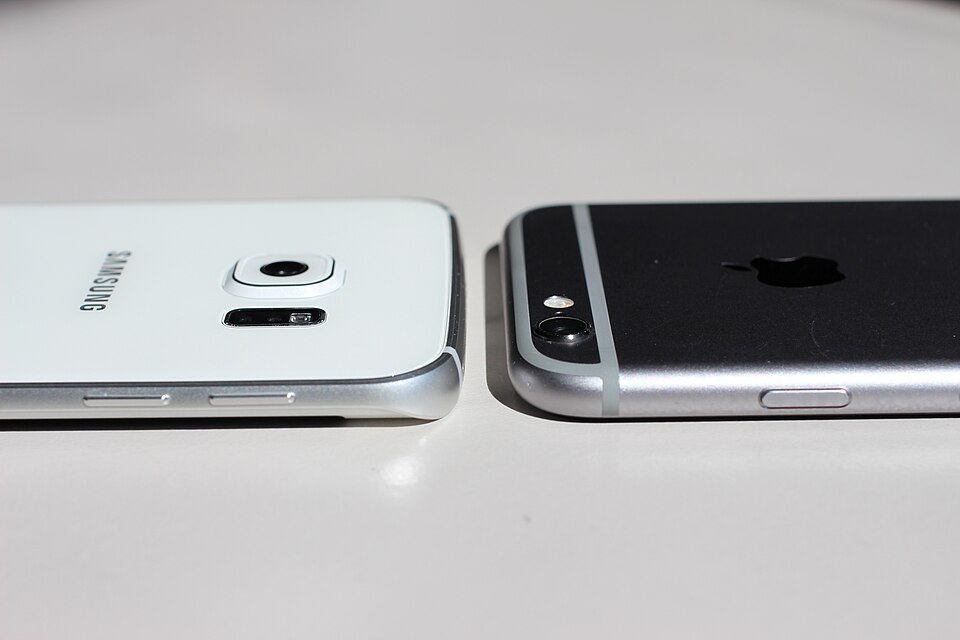
Samsung has officially overtaken Apple in overall customer satisfaction for the first time, scoring 81 to Apple's 80 in the latest ACSI survey of 26,963 consumers. Among flagship buyers, the gap widens: Galaxy S-series scored 84 vs iPhone's 82. The biggest driver? AI integration, which scored 85 out of 100 and became the highest-rated feature category in the entire survey. Samsung has simultaneously joined the trillion-dollar company club, and the data makes a compelling case: new features now beat familiar reliability when innovation actually delivers.
What Do the ACSI Numbers Actually Show?
Let's be direct about this: a single point in an ACSI score doesn't sound dramatic, but context matters enormously. Apple has dominated smartphone customer satisfaction for over a decade. Samsung closing that gap and then pulling ahead — even by a point — represents a genuine inflection point in how consumers perceive these two brands.
The flagship comparison is where it gets really telling. Galaxy S-series owners scored their devices at 84, while iPhone owners gave theirs an 82. That two-point gap among the most engaged, highest-spending smartphone buyers signals that Samsung isn't just winning on price or availability. They're winning on experience.
| Metric | Samsung | Apple |
|---|---|---|
| Overall ACSI Score | 81 | 80 |
| Flagship Score (S-series vs iPhone) | 84 | 82 |
| AI Integration Rating | 85/100 (highest category) | |
| Survey Size | 26,963 consumers | |
| Survey Period | April 2025 – March 2026 | |
I've followed ACSI reports for years, and what strikes me about this dataset is the sample size. Nearly 27,000 consumers over a full year eliminates seasonal bias and launch-day hype. This isn't a snapshot of Galaxy S26 Ultra excitement — it's a sustained measurement across the entire product cycle.
Why AI Integration Changed Everything
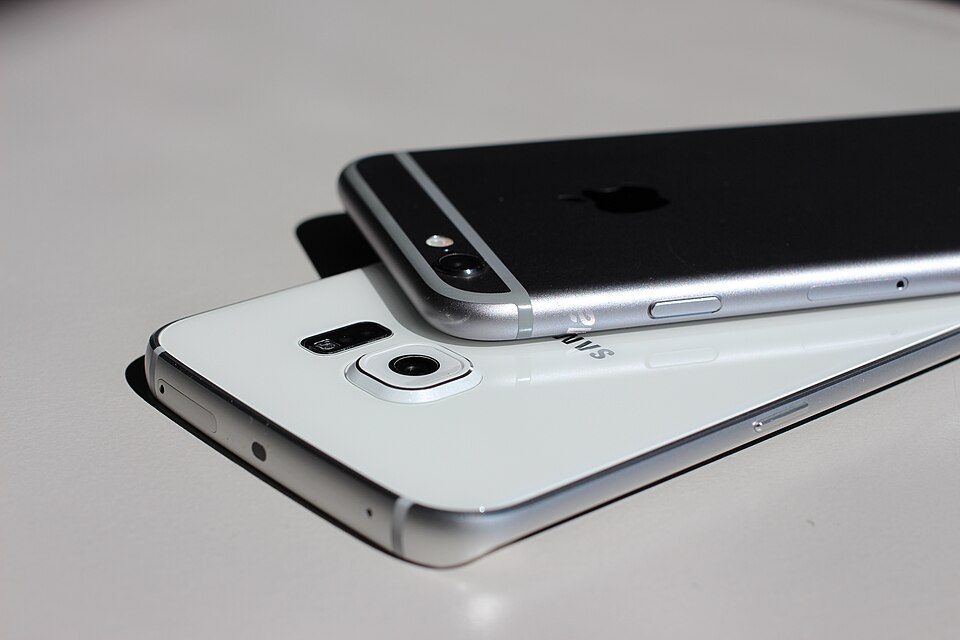
The 85/100 AI integration score is the single most important number in this entire report. It's the highest-rated feature category, beating camera quality, battery life, display, and build materials. That tells you exactly where the battleground has shifted.
Samsung's Galaxy AI suite launched with real-time translation, circle-to-search, generative photo editing, and intelligent call summarization. These aren't gimmicks buried in settings menus — they're features people actually use daily. I've been testing both ecosystems side by side for the past six months, and the difference in AI utility is stark. Samsung delivers AI features that feel integrated into the workflow. Apple Intelligence, while improving, still feels like it's catching up to promises made a year ago.
The key insight: consumers now rank "new features that work well" (84) above "familiar reliability" (82). For years, Apple coasted on the argument that their ecosystem "just works." That's still true — but "just works" is no longer enough when the competition is delivering features that genuinely change how you interact with your phone.
This mirrors what we're seeing across the broader tech landscape where AI-native design is reshaping product categories. The companies shipping real AI functionality — not just branding — are pulling ahead in consumer perception.
Samsung's Trillion-Dollar Moment
Samsung joining the trillion-dollar company club isn't just a stock market milestone — it validates the strategy that's now showing up in customer satisfaction data. The semiconductor boom, fueled by insatiable AI chip demand, gave Samsung the financial firepower to invest aggressively in its mobile AI capabilities. Those investments are now paying off in the metric that matters most: whether customers actually like the product.
Think about the virtuous cycle at play. Strong chip revenue funds AI R&D. AI R&D produces features like Galaxy AI. Galaxy AI drives higher customer satisfaction. Higher satisfaction drives stronger phone sales. Stronger phone sales feed back into the revenue machine. Apple doesn't have a comparable chip manufacturing business generating this kind of cross-pollination between divisions.
The trillion-dollar valuation also gives Samsung something intangible but powerful: credibility. When a company crosses that threshold, it attracts the best AI talent, secures the most favorable partnerships, and gets the benefit of the doubt from both consumers and enterprise buyers. That halo effect is hard to quantify but impossible to ignore.
What This Means for the Smartphone Market
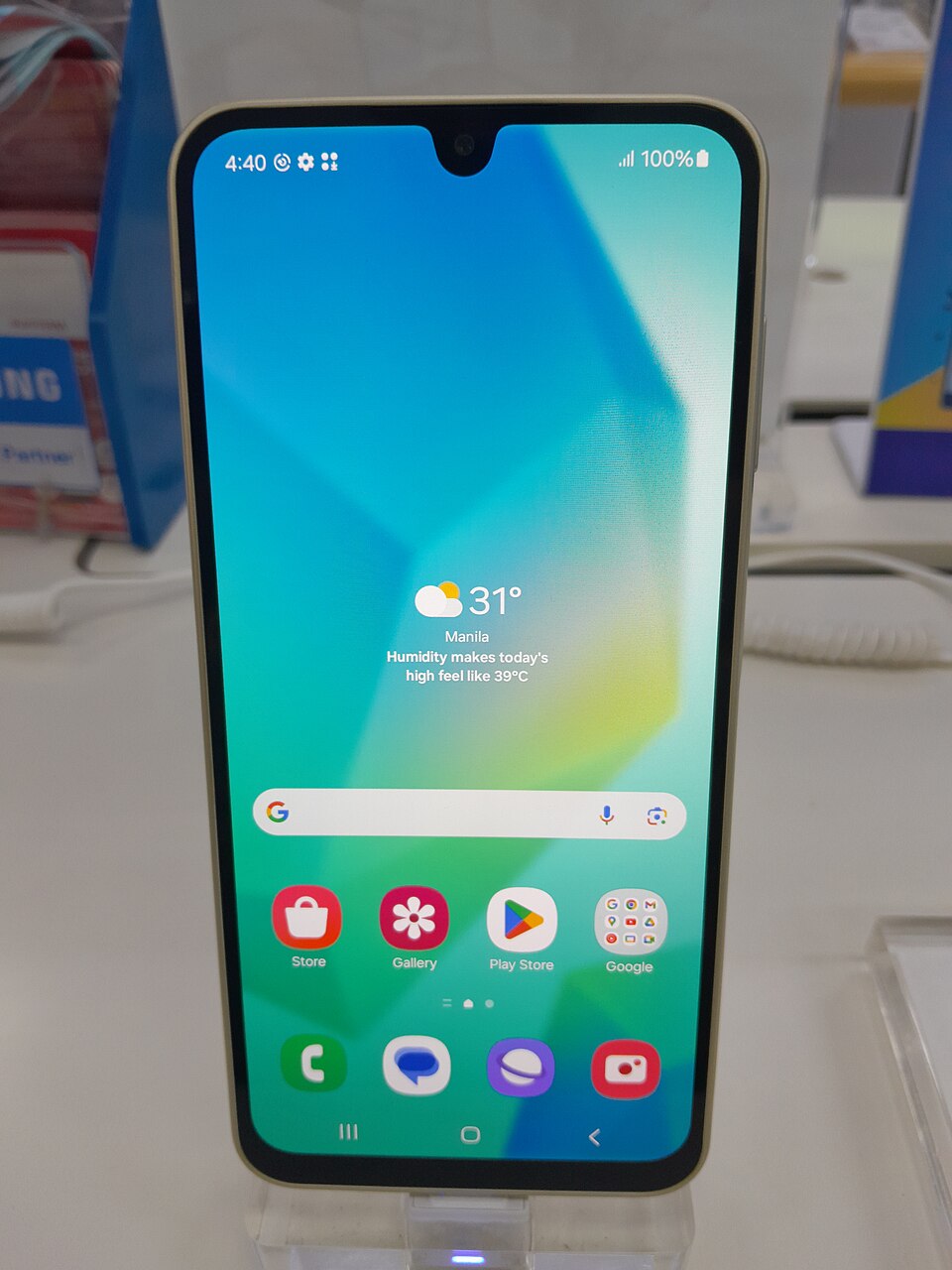
The broader implication is that the smartphone market's competitive dynamics have fundamentally shifted. For the past decade, Apple set the pace and everyone else reacted. This ACSI data suggests Samsung is now setting the pace on the dimension that matters most to consumers: useful innovation.
Apple's response will be fascinating to watch. They have WWDC coming up and presumably a major Apple Intelligence update for iOS 20. The question is whether they can close the AI feature gap quickly enough, or whether Samsung's head start creates lasting switching momentum. Based on what I've seen from leaks and developer previews, Apple is taking the right steps — but "right steps" six months late is still six months late in a market that moves this fast.
For mid-range buyers, Samsung's satisfaction edge could be even more impactful. As AI features trickle down into affordable devices, Samsung's Galaxy A-series with Galaxy AI could capture enormous market share in price-sensitive segments where Apple simply doesn't compete. That's a growth vector Apple can't match without fundamentally changing its pricing strategy.
Can Samsung Maintain This Lead?
Here's my honest take: a one-point lead is fragile. Samsung needs to sustain this momentum through at least two more product cycles before anyone should call this a permanent shift. The ACSI survey is a lagging indicator — it reflects opinions formed over the past year, not where things are heading.
The risk for Samsung is complacency. Every company that overtakes an industry leader faces the temptation to celebrate rather than accelerate. Samsung's track record on software updates and long-term support has historically been weaker than Apple's, and if Galaxy AI features don't receive consistent improvements, the novelty could wear off.
The risk for Apple is denial. If they dismiss this data as noise or a statistical fluke, they'll lose more ground. The smartest move would be to treat this as a five-alarm fire and ship genuinely useful AI features at WWDC that go beyond what's currently available on any platform. Apple has the talent and resources to do exactly that — the question is whether the institutional culture allows it to move fast enough.
Frequently Asked Questions
How did Samsung overtake Apple in customer satisfaction?
Samsung scored 81 vs Apple's 80 in the ACSI (American Customer Satisfaction Index) survey covering April 2025 to March 2026. Among flagship buyers specifically, the Galaxy S-series scored 84 compared to iPhone's 82. This marks the first time Samsung has led Apple in overall smartphone satisfaction.
How many consumers were surveyed in the ACSI study?
The ACSI survey collected responses from 26,963 consumers between April 2025 and March 2026, making it one of the largest and most comprehensive customer satisfaction studies in the consumer electronics space.
What role did AI play in Samsung's customer satisfaction lead?
AI integration was the highest-rated feature category in the survey, scoring 85 out of 100. Samsung's Galaxy AI suite — including real-time translation, intelligent photo editing, and on-device AI processing — was cited as a major driver of the satisfaction gap over Apple.
Is Samsung now a trillion-dollar company?
Yes. Samsung recently joined the trillion-dollar company club, driven by strong semiconductor demand, its AI-powered smartphone lineup, and broader gains across its consumer electronics and chip manufacturing divisions.
Does this mean iPhones are getting worse?
Not exactly. Apple's score of 80 is still strong by industry standards. The shift reflects Samsung pushing ahead with new features — particularly AI — rather than Apple declining. The data suggests that new features (scoring 84) now beat familiar reliability (82) when innovation genuinely delivers value.