F1 2026 Rule Changes Explained: Everything You Need to Know About the New Era
The 2026 Formula 1 season represents the most sweeping technical overhaul the sport has seen since the turbo-hybrid era began in 2014. Active aerodynamics allow wings to morph between high-downforce and low-drag configurations. The MGU-K now produces 350kW of electrical power — nearly triple the previous 120kW — making electric output responsible for roughly half the car's total power. All cars run on 100% sustainable fuel. Cadillac has joined as the 11th team, the first new constructor entry since Haas in 2016. Cars are shorter, lighter, and designed to produce far less turbulent air behind them. Eight races into the season, the results are clear: the pecking order has been scrambled, overtaking is up, and Formula 1 feels genuinely different.
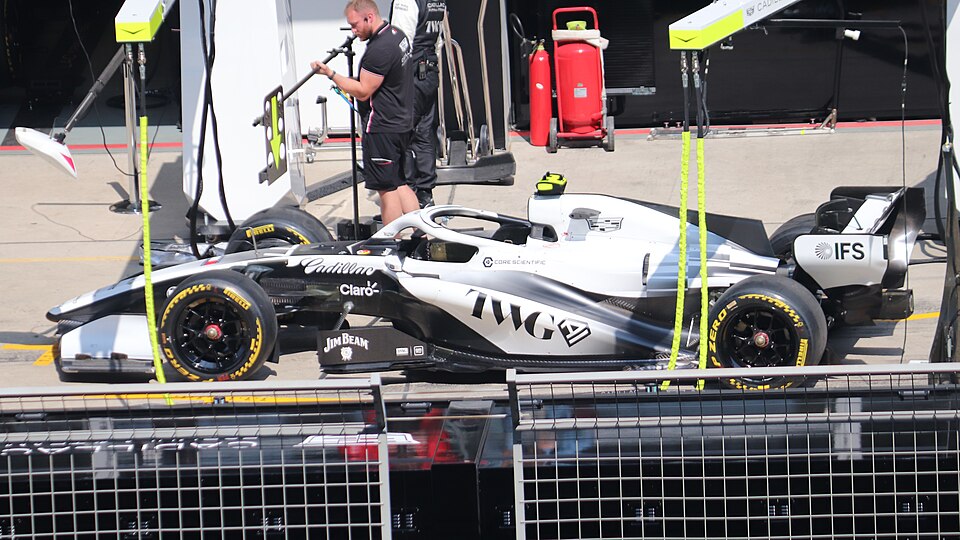
Active Aerodynamics: The Single Biggest Change
For decades, F1 cars had fixed aerodynamic surfaces (excluding DRS). That era is over. The 2026 regulations introduce fully active front and rear wing elements that reshape themselves based on speed.
On straights, the rear wing opens into what engineers call "X-mode" — the flap lifts dramatically to slash drag, functioning like a permanent, more extreme version of the old DRS system. The front wing simultaneously adjusts its angle to maintain aerodynamic balance. In braking zones and through corners, everything closes back up to maximize downforce.
I've watched every race this season, and the visual difference is striking. You can actually see the wings moving as cars transition from corner to straight. It looks futuristic in a way F1 hasn't felt in years. The on-track effect is just as dramatic: cars behind no longer lose massive chunks of downforce in turbulent air because the leading car's active aero produces a cleaner wake profile.
The key distinction from the old DRS system: these adjustments are automatic and speed-based, not driver-activated. Every car gets the benefit, not just the one behind. That's a philosophical shift — the FIA is designing the racing into the car, not into an artificial button push.
Power Unit Revolution: Electric Power Takes Center Stage
The numbers tell the story immediately:
| Specification | 2022-2025 Rules | 2026 Rules |
|---|---|---|
| MGU-K Output | 120 kW (~161 hp) | 350 kW (~470 hp) |
| MGU-H | Present (unlimited recovery) | Removed entirely |
| ICE Output | ~550 kW (~737 hp) | ~400 kW (~536 hp) |
| Total Power | ~670 kW (~898 hp) | ~750 kW (~1006 hp) |
| Electric Share of Total | ~18% | ~47% |
| Fuel Type | E10 (10% bio) | 100% sustainable |
| Energy Recovery Limit | 2 MJ per lap | 8.5 MJ per lap |
| Engine RPM Cap | 15,000 RPM | 10,500 RPM (new fuel optimized) |
The removal of the MGU-H is significant for two reasons. First, it was the most expensive and complex component of the power unit — a barrier to new manufacturers entering the sport. Second, its absence means the turbocharger no longer has waste heat recovery, which changes the engine's thermal efficiency characteristics entirely.
The trade-off is fascinating: the ICE is actually less powerful than before, but the electric motor more than compensates. Drivers now manage energy deployment in a fundamentally different way. The battery is larger, recovery rates are higher, and getting the software strategy right for when to deploy that 350kW of electric boost has become a genuine competitive differentiator. Teams that nail their energy management software are finding lap time the old-fashioned engine tuners cannot match.
Cadillac: The 11th Team Arrives
The story of the Cadillac F1 team reads like a corporate thriller. Andretti Global spent over two years fighting for an entry slot, facing resistance from existing teams worried about revenue dilution. The FIA eventually approved the entry, and General Motors' Cadillac brand stepped in as the primary identity.
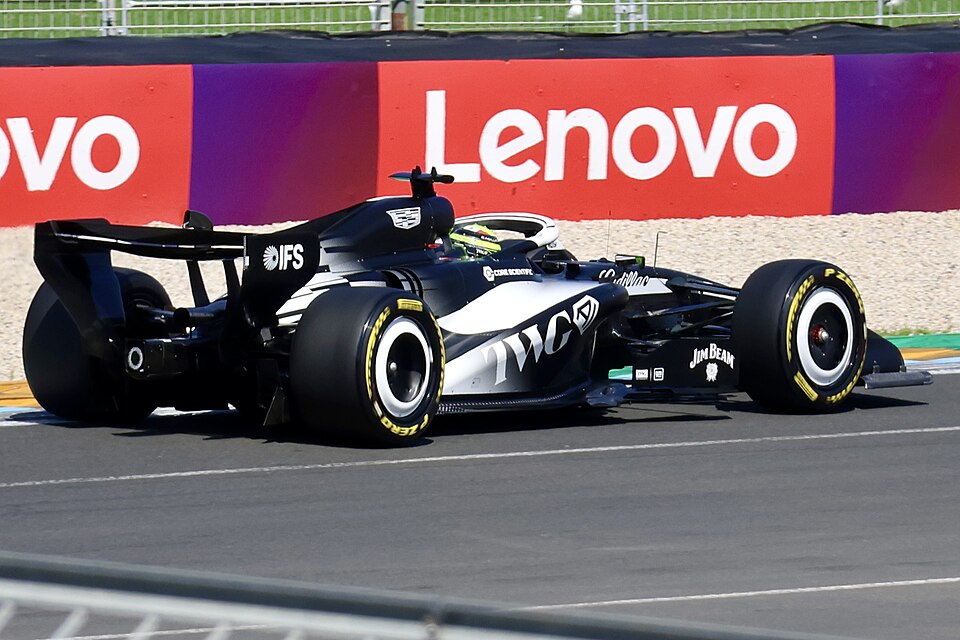
For 2026, Cadillac uses Ferrari power units while simultaneously developing its own GM-branded engine for 2028. Their car, designated the MAC-26, has shown flashes of competitiveness — Sergio Perez's experience as a former race winner has given the team valuable baseline data, and the car's aerodynamic philosophy is notably different from the established teams' approaches.
Having an 11th team on the grid means 22 cars, which changes qualifying dynamics and race strategy. Traffic management in free practice, the Q1 elimination cut, pit lane congestion — these are all subtly different with two extra cars. I've noticed the midfield battles have become more unpredictable because there are simply more cars fighting for points.
Smaller, Lighter, More Agile Cars
| Dimension | 2022-2025 | 2026 | Change |
|---|---|---|---|
| Minimum Weight | 798 kg | 768 kg | -30 kg |
| Maximum Wheelbase | 3,600 mm | 3,400 mm | -200 mm |
| Front Wing Width | 2,000 mm | 1,900 mm | -100 mm |
| Overall Car Width | 2,000 mm | 2,000 mm | No change |
| Floor Design | Ground effect tunnels | Simplified flat floor | Major revision |
| Tire Specification | 18" Pirelli | 18" Pirelli (new compounds) | Revised compounds |
The 30kg weight reduction might not sound dramatic, but in F1 terms it's enormous. Every kilogram affects acceleration, braking, and cornering. Teams spent years struggling to meet the old 798kg minimum — many cars were overweight. The new 768kg target, combined with the removal of the MGU-H and other simplifications, gives engineers more freedom in weight distribution.
The shorter wheelbase makes the cars visibly more compact. They look nimble compared to the barges of 2022-2025, and they drive that way too. Corner entry speeds are higher because the cars respond faster to steering input. Watching onboard cameras, you can see drivers are sawing at the wheel less — the cars go where they're pointed.
Sustainable Fuel: F1's Environmental Pivot
The switch to 100% sustainable fuel is the change that matters most beyond the racetrack. F1's previous fuel was E10 — 90% fossil-derived gasoline with 10% ethanol. The 2026 fuel is entirely derived from non-food biomass sources or carbon capture processes, delivering a net-zero carbon lifecycle from production through combustion.
From a performance standpoint, the new fuel has a lower energy density than conventional gasoline, which is partly why the ICE produces less raw power. Engine designers had to completely rethink combustion chamber geometry, injection timing, and ignition strategies. The lower 10,500 RPM cap reflects the optimal operating range for the new fuel chemistry.
Will this make F1 genuinely "green"? That's debatable — transporting the entire circus around the world still has a carbon footprint. But as a technology demonstrator for sustainable fuels in performance applications, it's meaningful. The fuel suppliers (Aramco, BP, Shell) are investing heavily in proving this technology scales beyond racing.
Impact on Racing: What the Data Shows
Eight races into the 2026 season, the on-track product has clearly improved. Here's what stands out:
Overtaking is up significantly. The combination of active aero (reducing dirty air) and the simplified floor (less ground effect sensitivity) means following cars retain more downforce. Drivers are making moves stick in places where they couldn't before — the outside of Turn 3 at Bahrain, the long run into Turn 1 at Monza, places that used to be impossible without DRS.
Competitive spread has tightened. The regulation reset shuffled the deck. Teams that dominated the ground-effect era don't automatically lead the active-aero era. The current standings reflect genuine unpredictability:
| Pos | Driver | Team | Points |
|---|---|---|---|
| 1 | Kimi Antonelli | Mercedes | 131 |
| 2 | George Russell | Mercedes | 88 |
| 3 | Charles Leclerc | Ferrari | 75 |
| 4 | Lewis Hamilton | Ferrari | 72 |
| 5 | Lando Norris | McLaren | 58 |
Antonelli's dominance is the headline story. The young Italian has taken to the new regulations like they were designed for him — his feel for energy management and his willingness to attack in the active-aero zones have been exceptional. Mercedes clearly got a head start on understanding the new aero philosophy, and Antonelli is extracting every tenth from it.
Hamilton moving to Ferrari and immediately being competitive (4th in the standings) suggests the driver adaptability factor is real. These are fundamentally different cars to drive, and some veterans have adapted faster than others.
What Didn't Change (and Why It Matters)
Not everything is new. Pirelli remains the sole tire supplier with 18-inch wheels, though the rubber compounds have been reformulated for the new car characteristics. The sprint race format continues. Points distribution stays the same. The cost cap remains in place at approximately $135 million, though adjustments were made to account for the R&D investment needed for the new regulations.
The decision to keep the cost cap while introducing massive technical changes created an interesting pressure: teams had to develop entirely new car concepts within the same spending limits. Bigger teams couldn't simply outspend their way to understanding the new rules. This is arguably why the competitive spread tightened — money alone doesn't buy answers when everyone is starting from scratch.
My Take: Is This the Racing We Were Promised?
I've followed F1 through the V10 era, the blown diffuser years, the turbo-hybrid revolution, and the ground-effect comeback. Each regulation change brings promises of "better racing" and "closer competition." The 2026 rules are actually delivering on those promises — at least so far.
The active aero is not gimmicky the way I feared it might be. It's elegant engineering that happens to produce great racing. Cars can follow more closely, drivers are braver in wheel-to-wheel situations, and the strategic layer of energy management adds genuine intrigue during races. I watched the Monaco Grand Prix two weeks ago and there were legitimate overtakes through the Swimming Pool complex — something that was essentially impossible in previous years.
My one concern is long-term convergence. As teams figure out the optimal aero solutions, the field may spread out again the way it always does. But for now, this might be the best F1 racing product I've seen in 15 years.
Related Reading
How to Follow Formula 1: A Complete Beginner's Guide Marvell Technology Stock Surges 32% After Jensen Huang's Trillion-Dollar PredictionFrequently Asked Questions
What are the biggest F1 2026 rule changes?
Active aerodynamics (movable front and rear wings), a 350kW MGU-K (nearly triple the previous 120kW), removal of the MGU-H, mandatory 100% sustainable fuel, smaller and lighter cars, and Cadillac joining as the 11th team. Together, these represent the most comprehensive technical regulation overhaul since 2014.
How does active aerodynamics work in F1 2026?
Front and rear wing elements automatically adjust their angle based on car speed. On straights, the rear wing opens to reduce drag (similar to but more extreme than the old DRS). Through corners, wings close for maximum downforce. These adjustments are speed-triggered and automatic, not driver-controlled like DRS was.
Why is the MGU-K power increase so significant?
At 350kW, the MGU-K now produces roughly 470 horsepower — about 47% of the car's total output. Previously it was 120kW (~18% of total power). This means electric power is no longer supplementary; it's a primary performance differentiator. Teams that optimize their energy deployment software gain a genuine competitive edge.
Is Cadillac really an F1 team now?
Yes. Formerly Andretti Global, the team was approved as the 11th F1 entry with General Motors' Cadillac brand as the primary identity. They run Ferrari power units for 2026-2027 while developing a GM-branded engine for 2028. Sergio Perez is among their driver lineup.
How are the 2026 F1 cars different in size and weight?
The 2026 cars have a maximum wheelbase of 3,400mm (200mm shorter than before), a minimum weight of 768kg (30kg lighter), and a narrower front wing. The floor design shifted from complex ground-effect tunnels to a simplified flat floor. The result is more agile, compact cars.
What sustainable fuel does F1 2026 use?
A 100% sustainable drop-in fuel derived from non-food biomass or captured carbon, replacing the previous E10 blend. It has a lower energy density than conventional gasoline, which is why the ICE produces less power, but the increased MGU-K output more than compensates.
Who is leading the 2026 F1 championship?
As of early June 2026, Kimi Antonelli leads with 131 points. George Russell is second (88), Charles Leclerc third (75), Lewis Hamilton fourth (72), and Lando Norris fifth (58). Mercedes has adapted particularly well to the new active-aero regulations.