Tour de France 2026: Complete Preview Guide — Route, Favorites, and How to Watch
The 2026 Tour de France runs from July 4 to July 26, featuring 21 stages across approximately 3,400 kilometers of French roads, Alpine passes, and Pyrenean climbs. Tadej Pogačar enters as the defending champion and heavy favorite, but Jonas Vingegaard and Remco Evenepoel are primed to challenge. Watch on Peacock/NBC (US), ITV4 (UK), Eurosport (Europe), or SBS (Australia). This is the 113th edition of the world's greatest bike race.
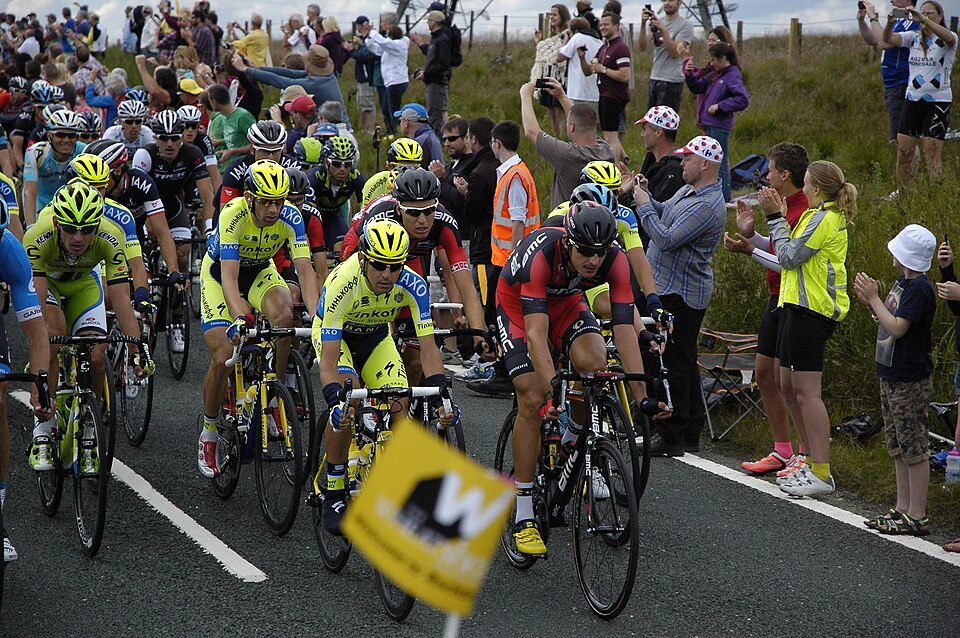
A Brief History: 113 Years of the World's Biggest Bike Race
The Tour de France was born in 1903 as a publicity stunt for the French sports newspaper L'Auto. Sixty riders lined up for the first edition, and only 21 finished. Maurice Garin won that inaugural race, covering 2,428 kilometers in six stages over 19 days. The race was grueling even by today's standards -- riders pedaled through the night on unpaved roads with no support cars.
Since then, the Tour has grown into the most prestigious stage race in professional cycling and one of the most-watched annual sporting events on the planet. It draws an estimated 3.5 billion cumulative TV viewers per year and roughly 12 million roadside spectators along the route. Legends like Eddy Merckx (five wins), Bernard Hinault (five wins), and Miguel Indurain (five consecutive wins from 1991-1995) defined eras of the sport. In the modern era, the race has been reshaped by riders like Chris Froome, who won four titles, and Tadej Pogačar, who burst onto the scene by winning the 2020 edition at just 21 years old.
The 2026 edition marks the 113th running of the Tour. It remains the crown jewel of the cycling calendar -- a race where careers are made, reputations are cemented, and suffering is considered a form of art.
The 2026 Route: Key Stages at a Glance
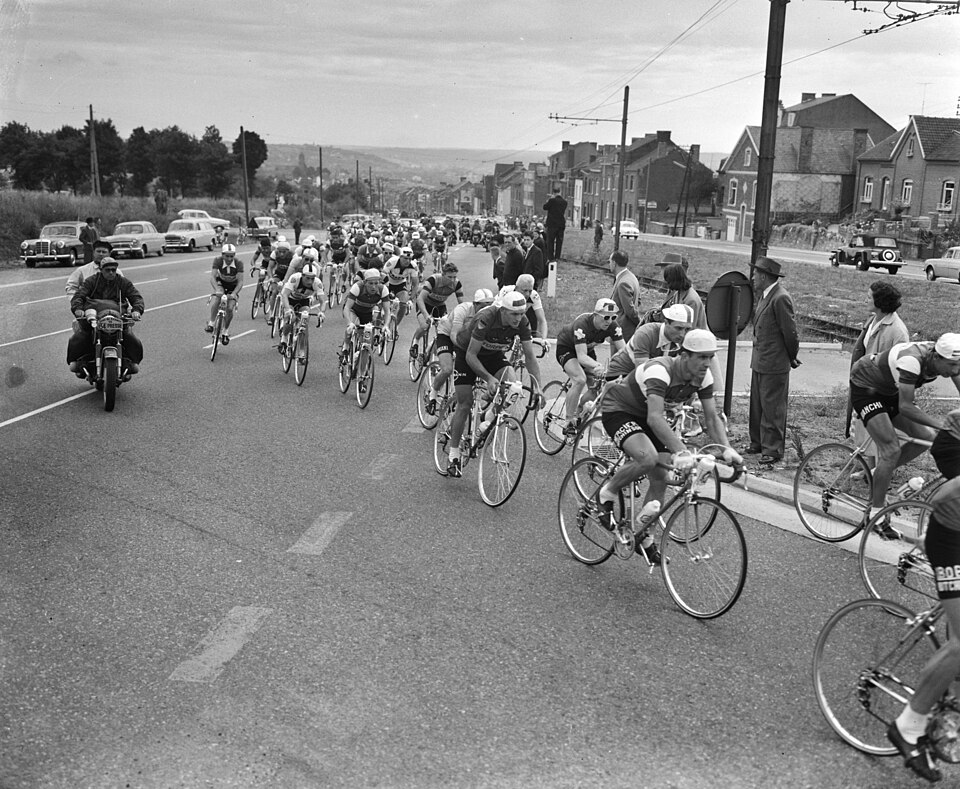
The 2026 route is a classic French parcours that rewards all-rounders and pure climbers. There is no single dominant terrain type -- the race designers have built a route that will test sprinters in the first week, destroy pretenders in the mountains, and leave the GC battle unresolved until the final days. Here is the stage-by-stage breakdown of the most important days:
| Stage | Date | Type | Terrain / Key Feature |
|---|---|---|---|
| Stage 1 | July 4 | Flat | Grand Depart -- sprint finish expected |
| Stage 2 | July 5 | Hilly | Rolling terrain, punchy finale |
| Stage 4 | July 8 | Individual TT | ~30 km time trial, first GC gaps |
| Stage 7 | July 11 | Flat | Crosswind risk, sprinter opportunity |
| Stage 9 | July 13 | Mountain | Pyrenees -- Col du Tourmalet summit finish |
| Stage 10 | July 14 | Mountain | Pyrenees -- Bastille Day queen stage |
| Rest Day 1 | July 15 | Rest | Transfer to Alps region |
| Stage 12 | July 17 | Medium Mountain | Transition into the Alps |
| Stage 14 | July 19 | Mountain | Alps -- Col du Galibier + Alpe d'Huez |
| Stage 15 | July 20 | Mountain | Alps -- summit finish above 2,000m |
| Rest Day 2 | July 21 | Rest | Final recovery before decisive stages |
| Stage 17 | July 23 | Mountain | Final major summit finish |
| Stage 19 | July 25 | Individual TT | ~35 km penultimate stage TT, last chance to gain time |
| Stage 21 | July 26 | Flat | Champs-Elysees parade + sprint finish in Paris |
The route features five genuine summit finishes and two individual time trials -- a format that heavily favors riders who can both climb and time trial at an elite level. The Pyrenees arrive early in the second week, and the Alps close out the third week, which means there is no hiding. If you crack on the Tourmalet, you have 10 more days of suffering ahead of you.
GC Favorites: Who Wins the Yellow Jersey?
The 2026 Tour de France general classification battle shapes up as a four-man war. Here is how I see the contenders stacking up:
| Rider | Team | Age | Tour Wins | Strengths |
|---|---|---|---|---|
| Tadej Pogačar | UAE Team Emirates | 27 | 3 | Explosive climbing, strong TT, devastating attacks |
| Jonas Vingegaard | Visma-Lease a Bike | 29 | 2 | Sustained climbing power, superb team support |
| Remco Evenepoel | Soudal Quick-Step | 26 | 0 | Elite time trialist, aggressive racing style |
| Primož Roglič | Red Bull-BORA-hansgrohe | 36 | 0 | Experience, downhill prowess, three-time Vuelta winner |
Pogačar is the man to beat, full stop. He comes in as the defending champion and has won three of the last six editions. His ability to attack on any gradient, at any moment, makes him almost impossible to race against. I watched him destroy the field on the Col du Galibier in 2024 -- he accelerated so violently that riders behind him visibly slumped on their bikes. That image stays with you.
Vingegaard is the only rider who has consistently matched Pogačar in the mountains. His 2022 and 2023 Tour victories came through metronomic climbing and a willingness to let Pogačar attack first, then reel him in. The question for 2026 is form and health -- Vingegaard had a serious crash in 2024 that sidelined him for months. If he arrives at 100%, this race could come down to a single mountain stage.
Evenepoel is the wildcard I am most excited about. He is a generational time trial talent and has improved his climbing year over year. A route with two individual time trials plays directly to his strengths. If he can limit his losses in the mountains to under two minutes, those TT stages could deliver him onto the podium -- or higher.
Roglič at 36 is the elder statesman. He has finished on the Tour podium multiple times and won the Vuelta a Espana three times, but the Tour de France title has always eluded him. This could be his final realistic shot. Roglič is one of the best descenders in the peloton, and on a technical, mountainous course, that skill matters more than people realize.
Beyond the GC: The Other Battles Worth Watching
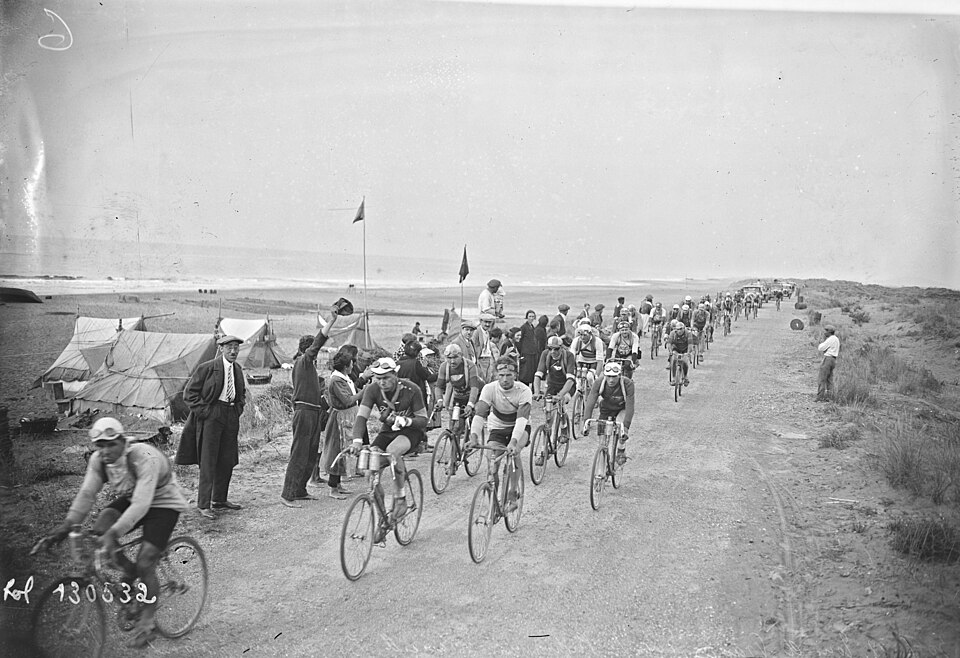
The general classification gets the headlines, but the Tour de France is actually four races in one:
- Yellow Jersey (Maillot Jaune): Overall race leader by cumulative time. This is the main prize.
- Green Jersey (Maillot Vert): Points classification -- awarded to the best sprinter. Watch for riders like Jasper Philipsen and Wout van Aert battling it out on flat stages.
- Polka Dot Jersey (Maillot a Pois): King of the Mountains -- points awarded at the top of categorized climbs. Often goes to a breakaway specialist rather than a GC contender.
- White Jersey (Maillot Blanc): Best young rider under 26. Evenepoel wore this in previous editions, and there are always emerging talents fighting for it.
Sprint stages are some of the most spectacular in cycling. Watching a bunch sprint unfold at 70 km/h with 150 riders fighting for position in the final kilometer is genuinely terrifying. The leadout trains -- where teammates form a high-speed chain to deliver their sprinter to the front -- are a masterclass in coordinated effort. If you are new to cycling, sprint finishes are the easiest stages to enjoy immediately.
How to Watch the 2026 Tour de France
Coverage options vary by country, but you will not struggle to find the Tour de France on your screen:
| Country | Broadcaster | Notes |
|---|---|---|
| United States | Peacock / NBC Sports | All stages live on Peacock; selected stages on NBC linear |
| United Kingdom | ITV4 | Free-to-air live coverage of every stage |
| Australia | SBS | Free-to-air; SBS On Demand for replays |
| Europe (Pan) | Eurosport / Discovery+ | Comprehensive live coverage with expert analysis |
| France | France Televisions | Free-to-air on France 2 and France 3 |
| Global | GCN+ | Streaming option in many countries outside major broadcast deals |
My recommendation for US viewers: subscribe to Peacock for July. It is the most reliable way to catch every stage from start to finish, including the early breakaway action that network TV tends to skip. The UK has arguably the best deal in the world -- ITV4 broadcasts every stage live for free, with superb commentary from the likes of Ned Boulting and David Millar.
My Experience Watching the Tour de France
I remember the first Tour de France I watched properly -- the 2023 edition where Vingegaard controlled the race with an iron grip. I had followed cycling casually before, checking results on my phone during the workday, but that year I committed to watching at least one stage live every day. What changed everything for me was the mountain stages. On flat stages, cycling can feel processional for hours until the final sprint. But in the mountains, the race narrative builds gradually. You see domestiques burning themselves out to set tempo, the peloton shrinking from 150 riders to 30, then 15, then 5. By the time the final climb begins, it is a war of attrition between a handful of the fittest humans on the planet. I got so invested that I rearranged my work schedule to watch the Stage 17 time trial live. When Pogačar attacked on the Col du Granon in 2024, I was shouting at my laptop screen at 7 AM. There is something about the Tour de France that hooks you once you understand the tactics -- the way teams sacrifice individual glory for a collective result, the way a single bad day can destroy three weeks of work. Now I plan my July around the race calendar. I check the route profile the night before each stage. I have opinions about tire pressure and nutrition strategies. This is what the Tour does to you.
If you enjoy deep-dive sports coverage, our complete beginner's guide to Formula 1 covers another endurance-based sport where strategy matters as much as raw speed. And for a look at how the F1 rulebook is being rewritten this year, check out our F1 2026 rule changes guide.
Frequently Asked Questions
When does the 2026 Tour de France start and end?
The 2026 Tour de France runs from July 4 to July 26, covering 21 stages across 23 days (with two rest days). The race starts in France and finishes with the traditional final stage on the Champs-Elysees in Paris.
Who is the favorite to win the 2026 Tour de France?
Tadej Pogačar is the defending champion and pre-race favorite. He won the 2024 and 2025 editions and is the most dominant Grand Tour rider of his generation. Jonas Vingegaard and Remco Evenepoel are his strongest challengers, with Primož Roglič also in contention.
How can I watch the Tour de France in the United States?
In the US, the Tour de France is broadcast on Peacock and NBC Sports. Peacock streams every stage live, while NBC shows selected stages and weekend coverage. You can also follow along with the official Tour de France app for live tracking and stage results.
How many stages are in the Tour de France?
The Tour de France consists of 21 stages raced over 23 days, with two rest days scheduled after intense mountain blocks. Stages include flat sprint stages, hilly terrain, high mountain stages in the Alps and Pyrenees, individual time trials, and a mix of medium mountain stages.
What jerseys are awarded in the Tour de France?
There are four main classification jerseys: the Yellow Jersey (maillot jaune) for the overall race leader, the Green Jersey for the best sprinter on points, the Polka Dot Jersey for the best climber (King of the Mountains), and the White Jersey for the best young rider under 26 years old.
Is the Tour de France only in France?
The Tour de France primarily takes place in France, but it frequently crosses into neighboring countries. Past editions have visited Belgium, the Netherlands, Spain, Italy, Germany, Switzerland, and the United Kingdom. The Grand Depart (opening stages) is sometimes held in another country entirely.
How long is the Tour de France in total distance?
The total distance of the Tour de France typically ranges from 3,300 to 3,500 kilometers (roughly 2,050 to 2,175 miles). The 2026 route covers approximately 3,400 kilometers across 21 stages, with individual stages ranging from around 25 km for time trials to over 220 km for the longest road stages.